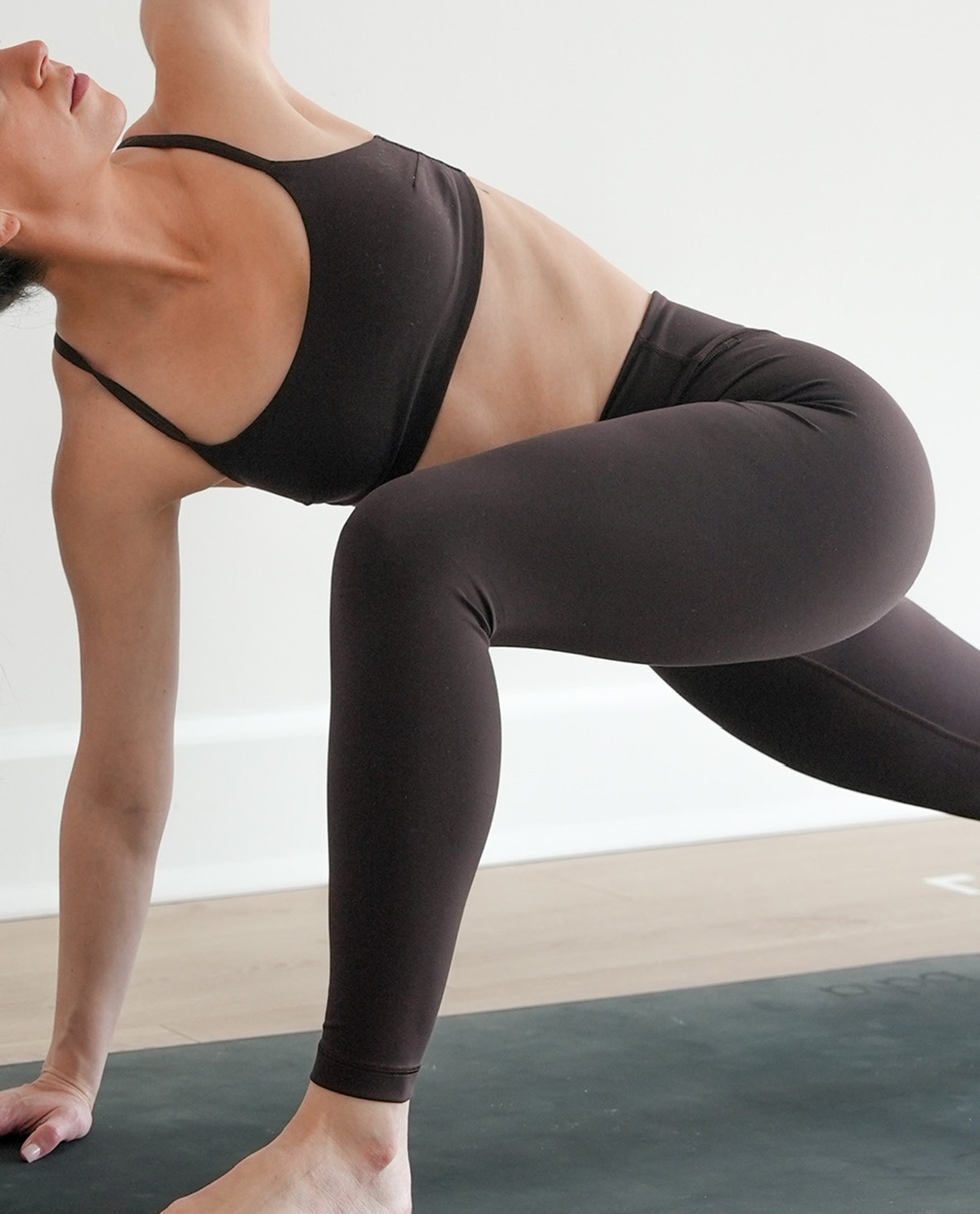
RESTORATIVE
FUNCTIONAL
INTENTIONAL
SUSTAINABLE
MORE THAN A WORKOUT
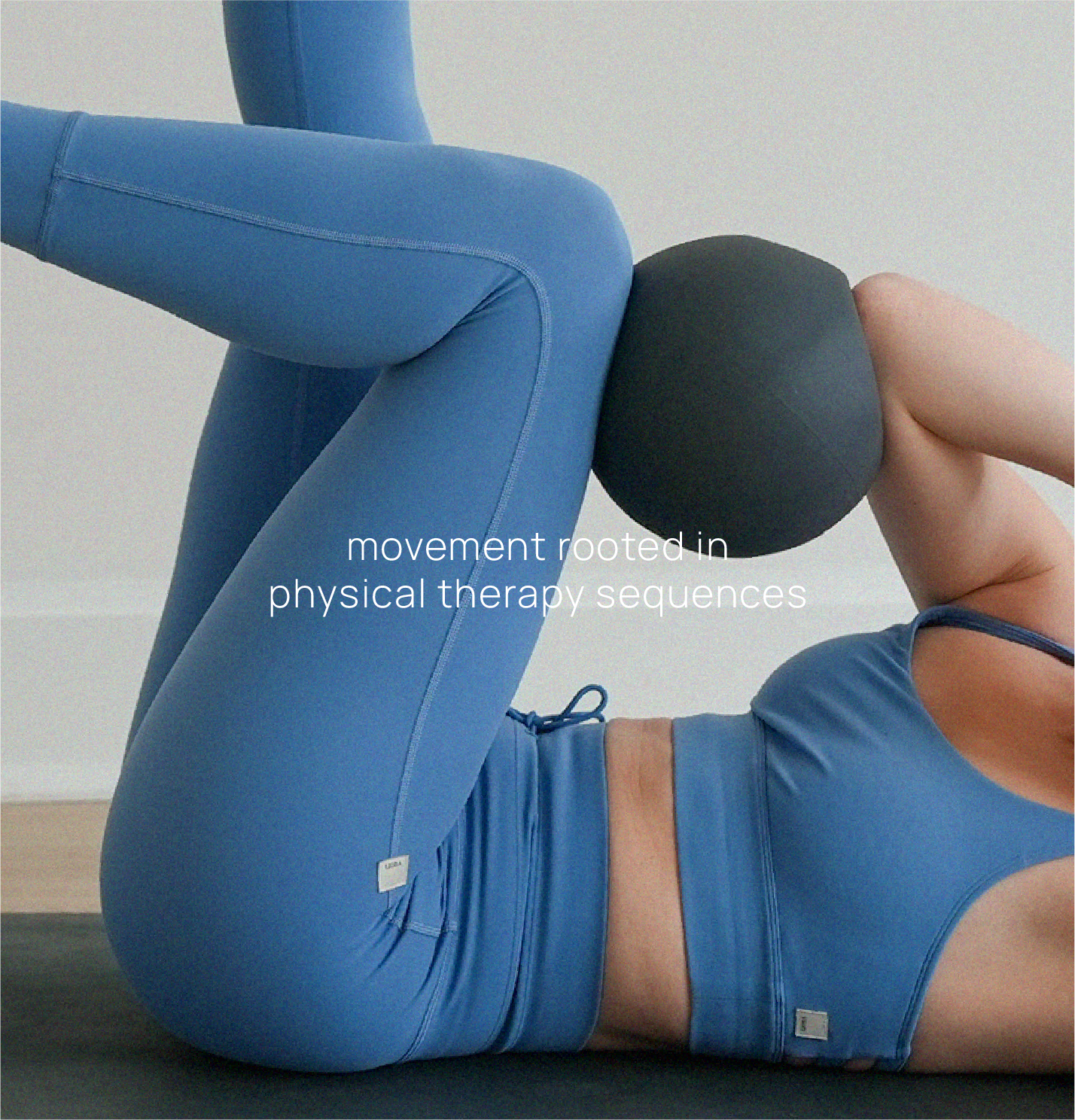
Bridging the gap between physical therapy and modern strength training.
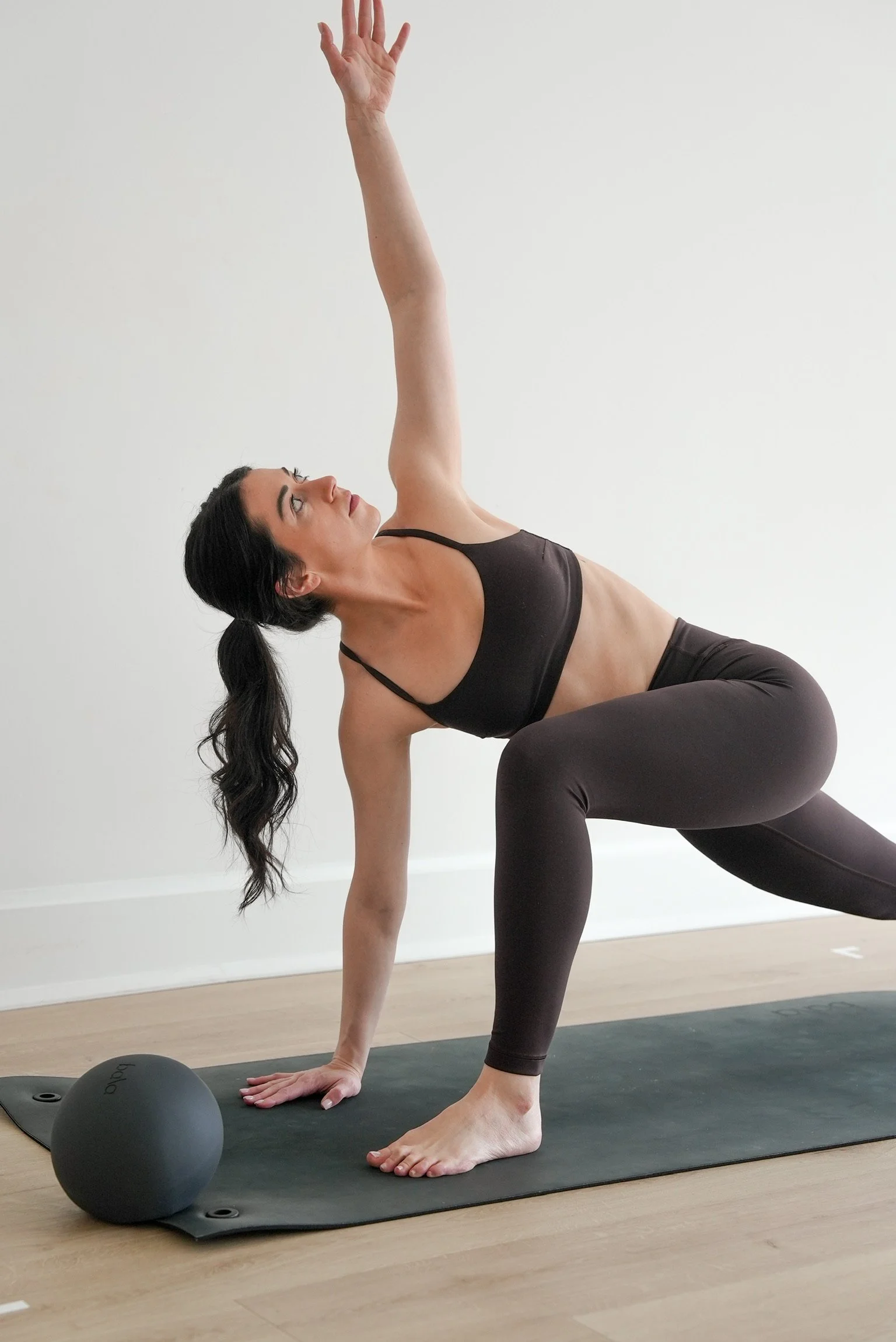
More than just a workout, the method is designed to help clients build a stronger connection to their bodies through clinically-backed intentional movement, and a deeper understanding of creating patterns that feel smarter, more supportive, and sustainable over time.
ALL LEVELS WELCOME
Signature Classes

LEVEL ONE
Progressions is programmed with quicker transitions and more continuous movement sequences.The expanded sequencing allows clients to move through the method with greater rhythm, stamina, and flow.
PROGRESSIONS
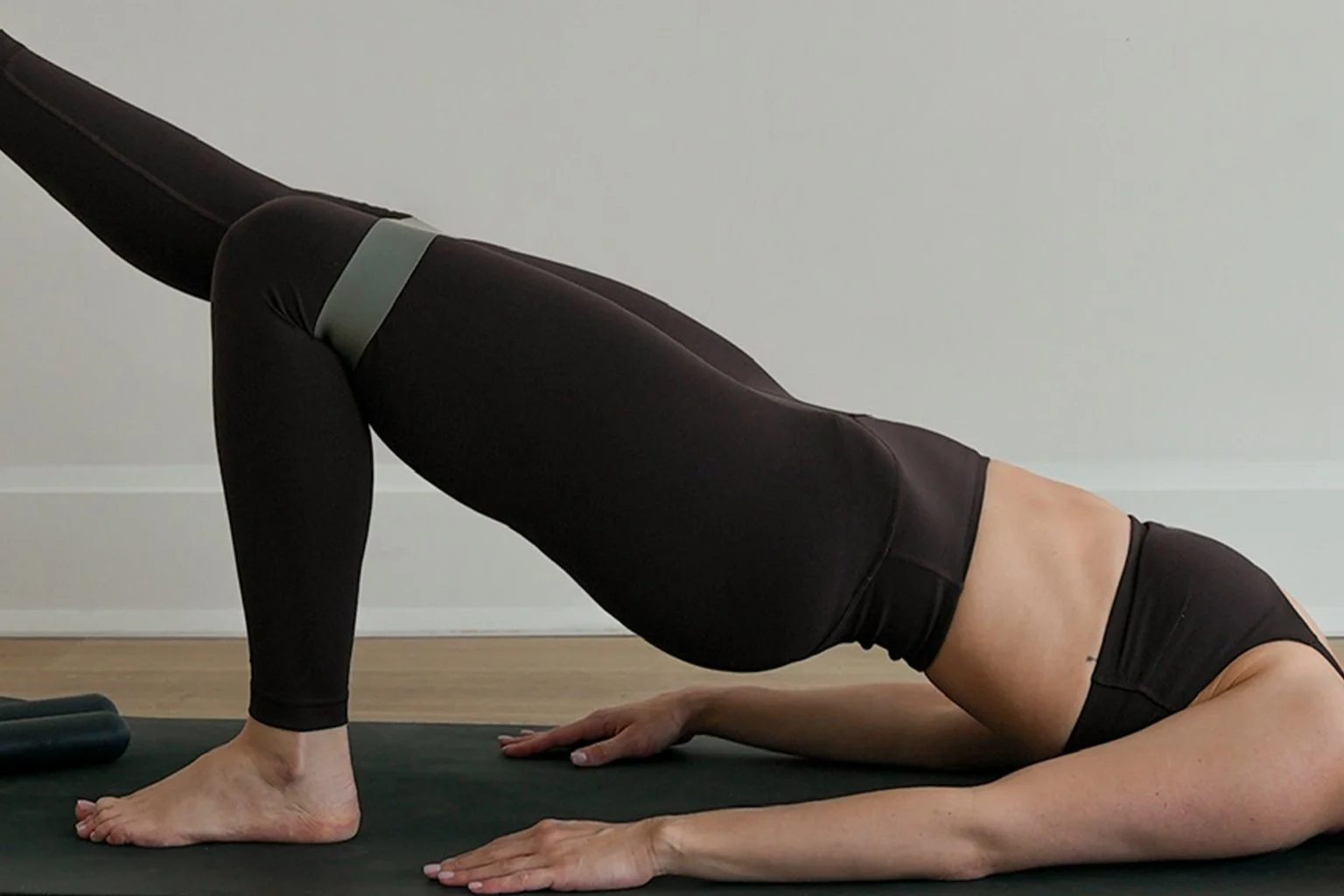
LEVEL TWO
Foundations stays rooted in the original pace and flow of the method. We spend More time is spent breaking down the cues to properly engage the correct muscles. Take this class if you are new to working out, recently returned from injury, or newly postpartum.
FOUNDATIONS
A CLOSER LOOK AT THE SCIENCE
PT-Informed Principles
-
The AMB warm-up sets you up to be conscious and intentional when activating your deep core.
The deep core: composed of the pelvic floor, multifidus, diaphragm, and transverse abdominis. These components work as a unit to support and stabilize our bodies as we perform various movements. A subtle activation is all it takes to initiate the activation.
-
Alignment: ribcage + pelvis should be stacked on top of each other
Pressure Management: focus on bringing the pressure up - NOT bearing down
Breathing: full breaths into your back and sides
-
Diastasis Recti (DR) is a natural separation of the abdominal muscles that commonly occurs during pregnancy as the body expands to make room for your baby. The connective tissue between the muscles stretches to accommodate increased pressure, and most women will experience some degree of DR by the third trimester.
To help prevent excessive separation, it’s important to avoid movements that create too much intra-abdominal pressure, such as exercises that cause “coning” or “bulging” through the midline. Strengthening the core during pregnancy and postpartum is still highly encouraged — the goal is to support the body and avoid severe DR, not prevent the natural changes of pregnancy.
-
Restoring strength, tension, and overall function to your core should be the priority - closing the gap may happen over time.
Do functional and foundational exercises to restore proper function of the muscles - it’s the little things that matter most!
DR management can look different for everyone. The newly postpartum phase looks very different than those later in their postpartum journey. Contact your pelvic floor PT for more information! -
A rib flare refers to the lower ribs protruding outwards. It is not always associated with a problem, so should you fix it? It depends.
What causes it?
It can be caused by ineffective breathing patterns, poor posture, weak abdominals, or reduced mobility of the shoulder or back.How to improve it?
working on your exhale. Getting a good exhale can set you up for a good inhale… improving the full 360* movement of your ribcage.INHALE = expand your ribcage and relax your pelvic floor
EXHALE = lift pelvic floor, draw in lower, middle, and upper abs. Rib cage compresses down and in.
For Pregnancy
Typically the rib cage flares when the internal organs are moved around to make room for the growing baby. Sometimes it returns to normal postpartum, sometimes not.Throughout your pregnancy, your growing belly makes it harder and harder to breathe full, complete breaths. It’s important to get full movement, deep, 360* breathing back & out of the stuck, shallow breathing with minimal movement of your rib cage once you are postpartum.
Follow Us on Social